Strategically planned enabling infrastructure and efficient regulatory systems will help our critical minerals sector expand further into domestic and global markets. Targeted action in these areas reduces costs, lowers project risk and contributes to supply chain diversification.
Why coordination is needed to improve our competitiveness
Many of Australia's critical minerals deposits are in regional and remote areas, where higher infrastructure, energy and service costs can affect project viability. As projects move from exploration to production and processing, access to enabling infrastructure, reliable energy and efficient approvals becomes increasingly important to commercial success.
Australia competes globally for investment, customers and projects. To remain competitive, projects need efficient pathways to development, reliable access to infrastructure and energy, and regulatory systems that provide certainty and support timely decision‑making. Coordinated action between governments and industry can help lower costs, improve productivity and reduce barriers to investment.
Investment in roads, rail, ports, energy, water, common user facilities and other enabling infrastructure can improve project economics and support commercial‑scale development. Better‑connected infrastructure networks can also unlock regional opportunities, support local industry development and connect producers to domestic and international markets.
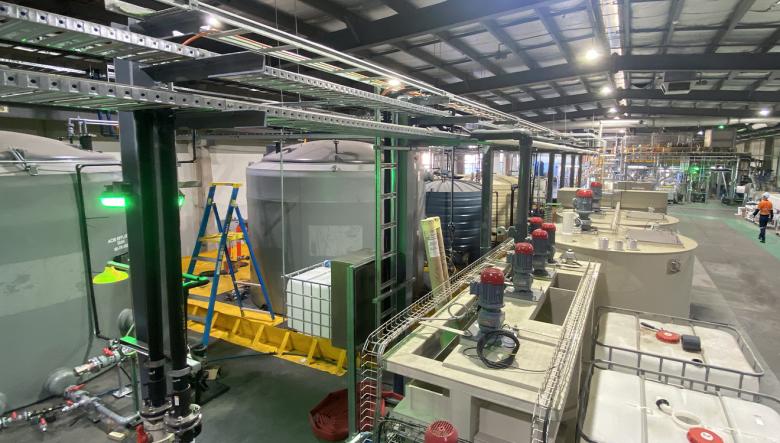
Common‑user facilities further improve competitiveness by lowering barriers to entry and reducing the costs of testing, piloting and scaling new projects. Shared facilities can help businesses commercialise new opportunities more quickly while building greater scale and capability across the sector.
Realising these benefits requires coordination across Commonwealth, state and territory governments, industry, and regional communities. Aligning planning, approvals and infrastructure delivery can help ensure investment is directed where it will deliver the greatest economic and productivity benefits.
Efficient and predictable regulatory systems are also important to competitiveness. Investors need confidence that projects can move through approvals processes in a timely manner while maintaining Australia's high environmental standards. Modern, fit‑for‑purpose regulation can reduce delays, improve certainty and help bring projects into production sooner.
Reliable, affordable and low‑emissions energy will become increasingly important as Australia expands domestic processing capability. Energy costs and availability will influence investment decisions, operating costs and the long‑term competitiveness of Australian processing and refining industries.