Case studies

Australian critical minerals projects are helping to build the capabilities needed for more secure and resilient supply chains. 

Australian Government support is helping important projects overcome barriers to development and establish more critical minerals capability in Australia. These case studies show the benefits of that support and highlight projects across the critical minerals value chain.

Case study

Renascor Resources’ Siviour Battery Anode Material Project

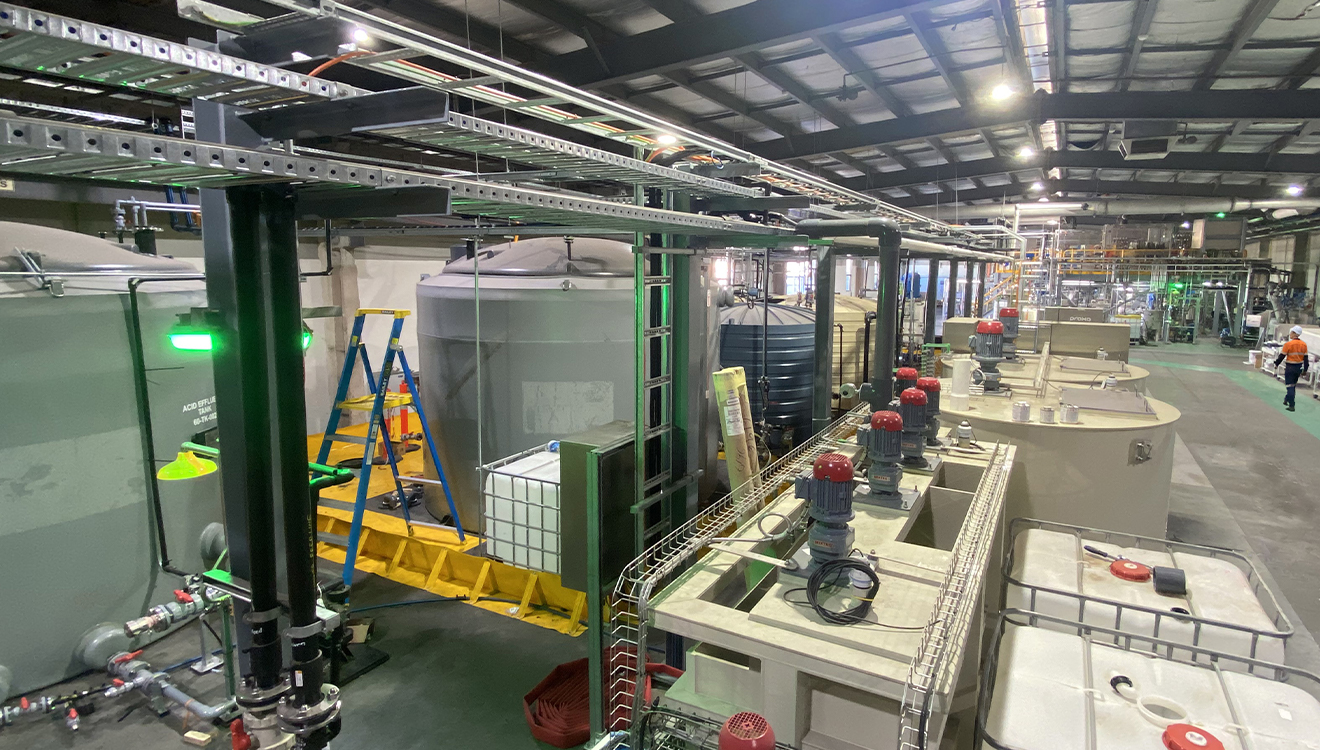
An industrial processing facility showing large storage tanks, overhead piping, pumps, control equipment, and maintenance ladders.

Renascor Resources is developing the Siviour Battery Anode Material Project in South Australia. This is a vertically integrated graphite mine and downstream processing operation to produce purified spherical graphite (PSG) for lithium-ion battery anodes. Lithium-ion batteries are key for the deployment of clean energy technologies, and anodes are one of the 2 primary components to facilitate the flow of electric charge.

In 2024, Renascor received a $5 million grant under the International Partnerships in Critical Minerals Program to co-fund approximately 50% of the capital costs for its demonstration plant. It further received a $185 million conditional loan from the Critical Minerals Facility, administered by Export Finance Australia. Renascor also utilises the Australian Government’s Research and Development (R&D) Tax Incentive, which supports companies to undertake R&D they may not usually invest in by offsetting some of the costs for eligible activities. In 2021, the Siviour Project was also granted Major Project Status by the Australian Government, which was renewed in 2024.

Renascor describes government support as critical in enabling the company to build a larger-scale, continuous demonstration facility, which would not otherwise have been possible. The demonstration plant, which officially opened in July 2026, generates real data to validate Renascor’s hydrofluoric acid-free purification process under continuous operating conditions, and the qualification samples needed to support commercial-scale development. This is an important milestone in advancing Australia’s capability to produce battery anode material and diversify global supply chains. 

This demonstrates how targeted Australian Government support can help strategic projects to prove their technology, attract investment, and ultimately contribute to secure, diversified supply chains for the clean energy transition.

Case study

Tivan Limited's Speewah Fluorite Project

Decorative

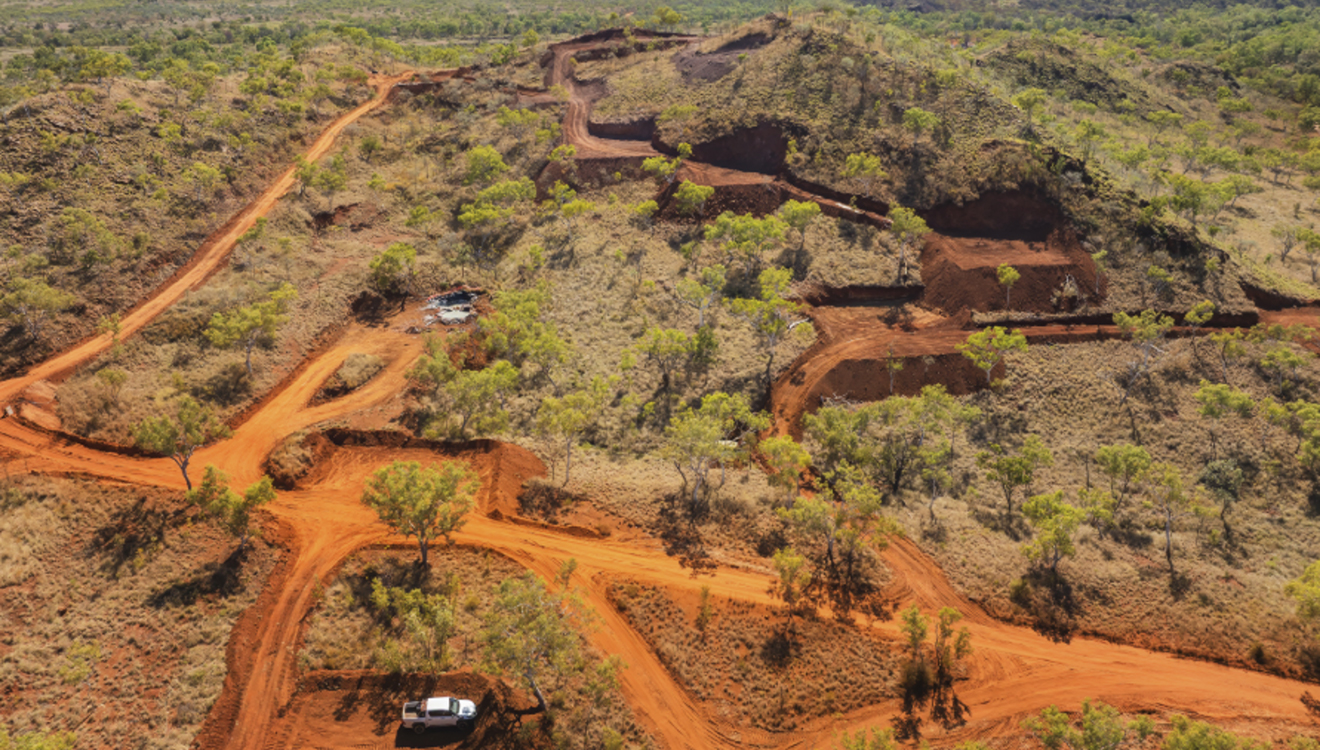
Tivan Limited is developing the Speewah Fluorite Project in Western Australia’s East Kimberley. The project will use onsite processing to produce 97%+ acid-grade fluorspar (acidspar), the key feedstock for hydrofluoric acid used in semiconductor manufacturing, electric vehicle batteries and other advanced technologies, including computing and artificial intelligence (AI).

In 2024, Tivan was awarded $7.39 million under the International Partnerships in Critical Minerals Program (IPCM) and the Speewah Fluorite Project was awarded Australian Government Major Project Status. Tivan has described this early government support as important in recognising the project’s strategic significance and providing a strong signal of confidence in its development while it was still at pre-feasibility stage. 

Major Project Status has also provided practical project facilitation support. Since then, the project has progressed through a completed feasibility study in March 2026, successful pilot-scale production and into the definitive feasibility study phase.

Tivan also utilises the Australian Government’s Research and Development (R&D) Tax Incentive, supporting continued investment in eligible Australian R&D and innovation activities across its technology and project portfolio.

The Speewah Fluorite Project is being advanced through a landmark international partnership involving Tivan, Sumitomo Corporation, the Japan Organization for Metals and Energy Security (JOGMEC), and ETFS Capital. On 4 May 2026, the Australian and Japanese Governments identified Speewah as one of 6 key projects with the potential to materially diversify critical minerals supply chains under the Australia-Japan Joint Statement on Elevated Critical Minerals Cooperation. 

This case study demonstrates how targeted Australian Government support can help accelerate strategically significant critical minerals projects from feasibility toward development. It also demonstrates the value of aligning Australian policy and investment settings with trusted partners to build sovereign processing capability and more secure, diversified supply chains.
Case study

Liontown Resources Kathleen Valley Lithium Mine

Liontown Resources currently operates the Kathleen Valley Lithium Mine in Western Australia. This is an integrated mining and processing operation to produce spodumene concentrate, a vital feedstock for producing lithium hydroxide and lithium carbonate. These are in turn used to manufacture lithium-ion batteries, energy storage systems and other electronics. All are essential for clean energy technologies, and support Australia’s goal of becoming a renewable energy superpower.

In 2025, the National Reconstruction Fund Corporation (NRFC) made a $50 million equity investment in Liontown to support operations to ramp up the underground transition of Kathleen Valley. The NRFC investment came at an important time for Liontown and the broader lithium sector. Lithium prices had fallen significantly, creating challenging market conditions for producers seeking to ramp up operations and maintain investor confidence. The NRFC’s role as a cornerstone investor supported Liontown’s capital raising, crowding in private capital to provide the company with additional runway to work through a period of commodity price volatility, while expanding its operations.

Liontown’s experience demonstrates the value of flexible, commercially responsive Australian Government support for strategically important critical minerals. By maintaining momentum through a difficult market period, the NRFC investment supported Australia’s lithium production capacity and ongoing investor confidence while retaining potential upside for taxpayers where supported projects perform well.