Licensed premises concentrated national audit program
From 20 to 24 October 2025, trade measurement inspectors audited licensed premises that sell alcohol. Examples include pubs, clubs, hotels, sporting clubs, breweries and distilleries. The program helped ensure customers get what they pay for when they buy a drink, while supporting businesses to understand and comply with trade measurement law. By working with venue operators and staff, NMI helps promote fair trading practices and confidence in measurement-based transactions.
Our findings this year
During this audit, NMI’s trade measurement inspectors:
- audited 541 business premises, of which 398 (74%) were compliant with measurement law
- tested 345 measuring instruments, of which 297 (86%) were compliant
- checked 5 lines of prepackaged goods, of which 5 (100%) were compliant
- conducted 387 trial purchases, of which 269 (70%) were compliant.
Reasons for non-compliance included:
- 23 measuring instruments that were not verified
- 2 measuring instruments that were inaccurate to consumer advantage
- 22 measuring instruments that were inaccurate to consumer disadvantage
- 118 trial purchases failed.
Most non‑compliance was relatively minor. Traders usually corrected the issue following advice from trade measurement inspectors.
NMI issued 144 non-compliance notices for the following breaches:
- 18 related to measuring instruments
- 126 for failure of trading practice (for example, shortfall offences from trial purchases).
Some traders received more than one non-compliance notice. Some traders received a non-compliance notice covering more than one breach.
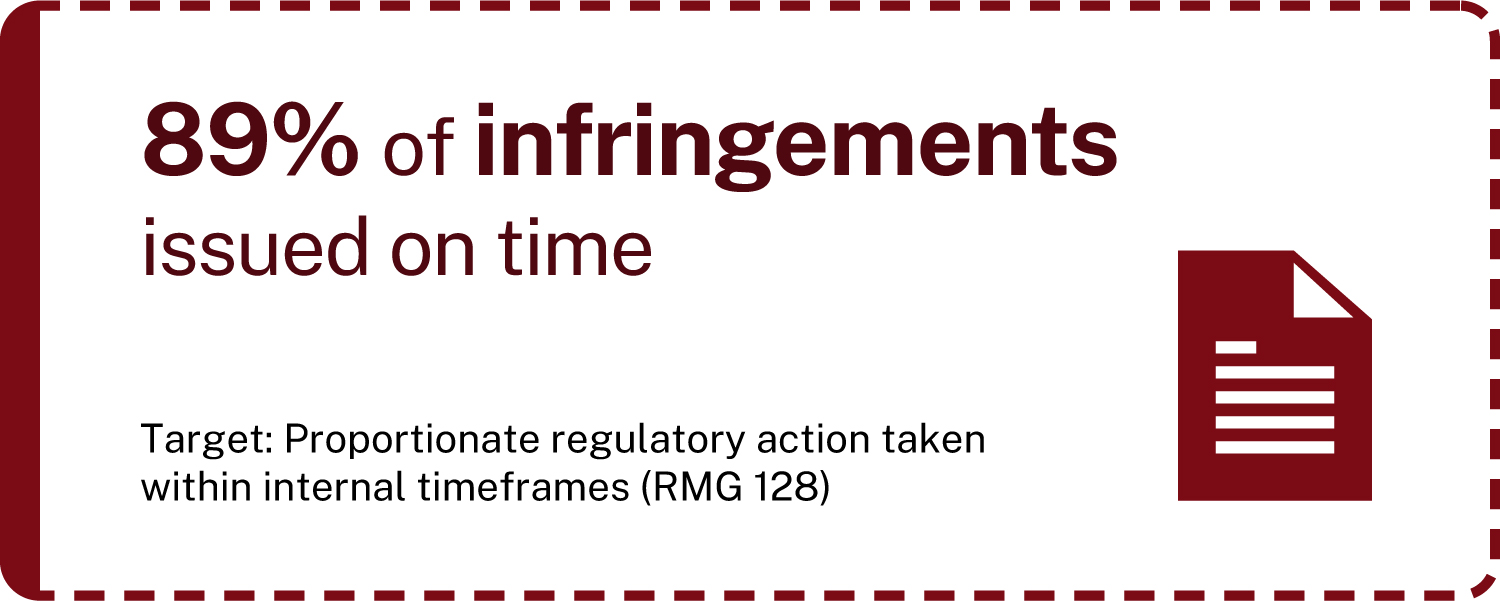
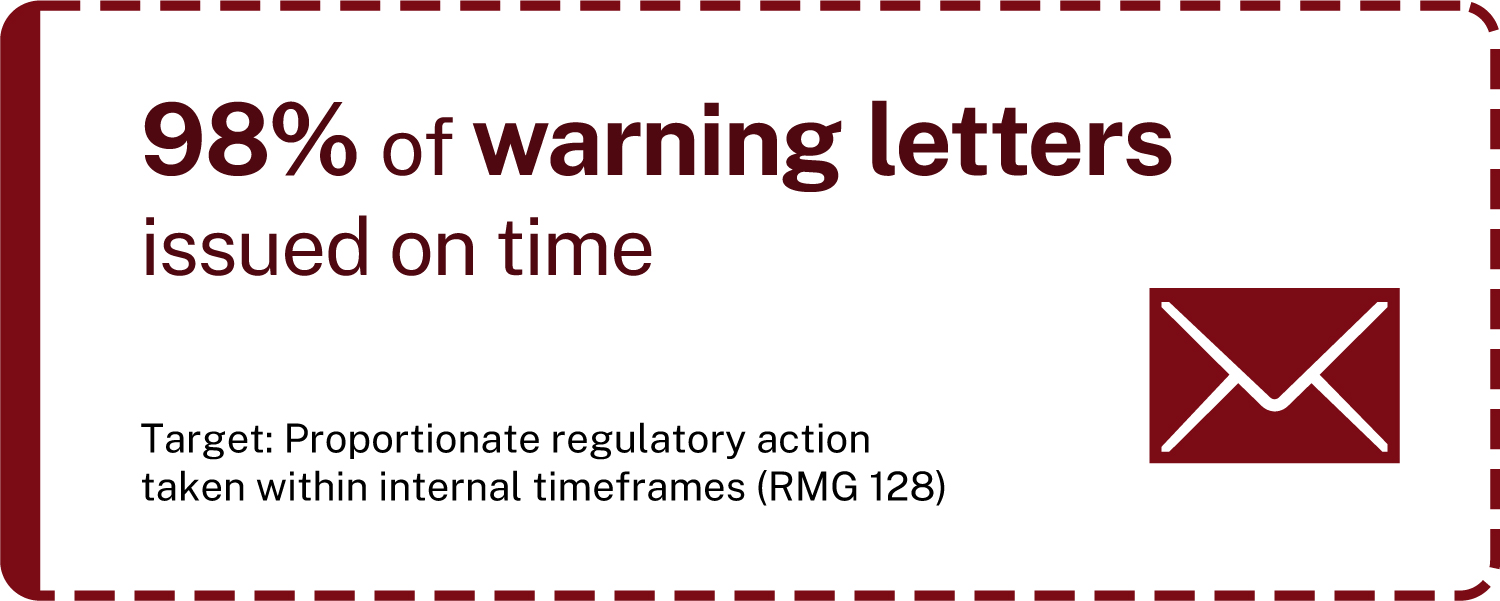
NMI sent 3 warning letters and issued 3 infringement notices amounting to a total of $19,800.
Comparison to previous concentrated audits
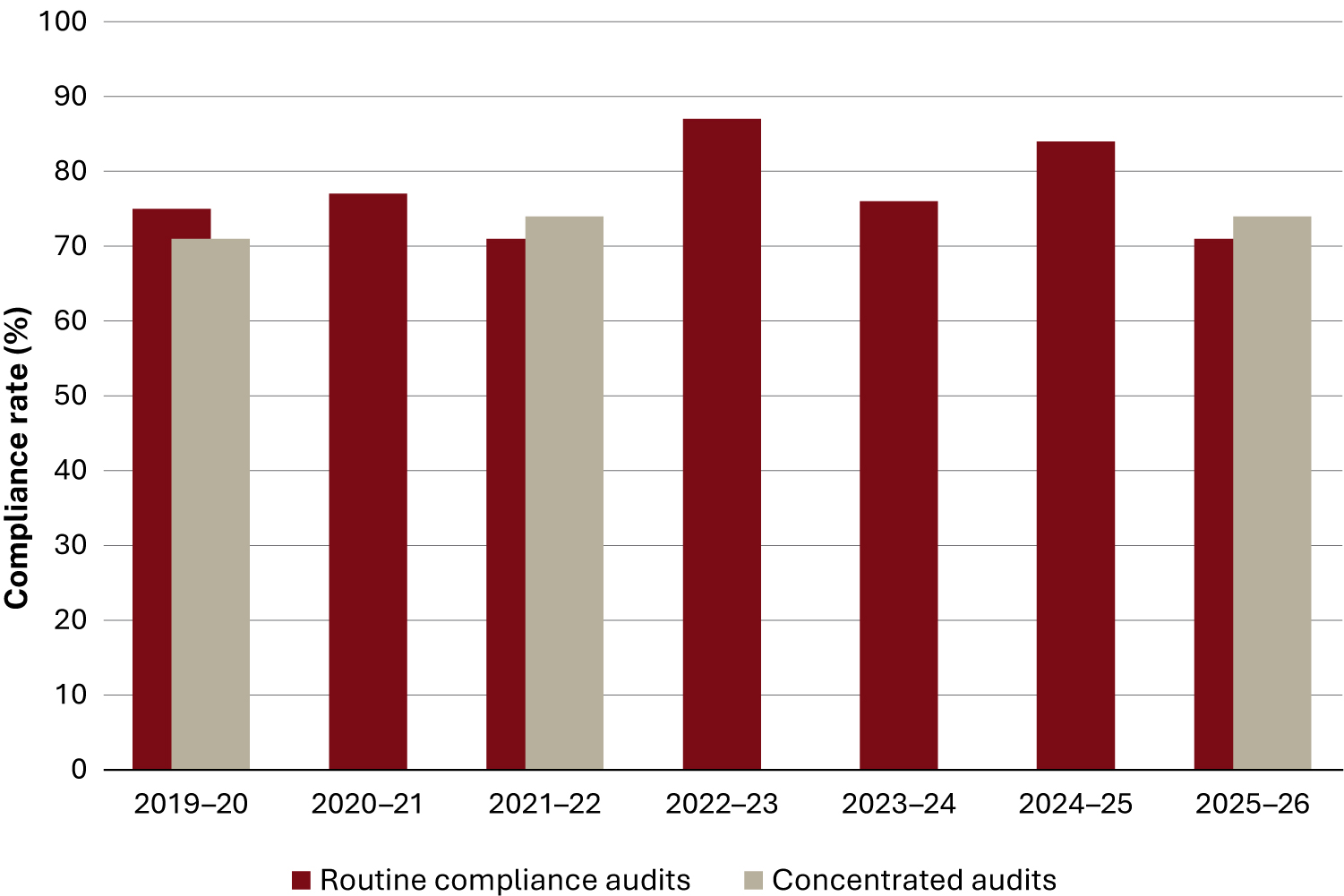
Compliance rates at licensed premises have generally been above 70% (Figure 1). Previous concentrated audits in 2019 and 2022 found similar compliance rates of 71% and 74%, respectively. In 2025–26, we revisited some sites that didn’t meet requirements in the 2022 audit to ensure they were staying on track and following the rules. By returning to venues and expanding the range of checks, NMI is continuing to work with businesses to ensure customers get what they pay for.
Figure 1: Licensed premises compliance with measurement law, as identified in NMI’s routine compliance audits and in concentrated audits
Retail fuel concentrated national audit program
NMI planned a nationally coordinated compliance program for March 2026 to check the accuracy of fuel dispensers used for trade. We targeted retail fuel this year due to compliance history and stakeholder feedback. High-risk and new traders were the main focus of the fuel audit program. Follow-up audits targeted businesses that have had problems before.
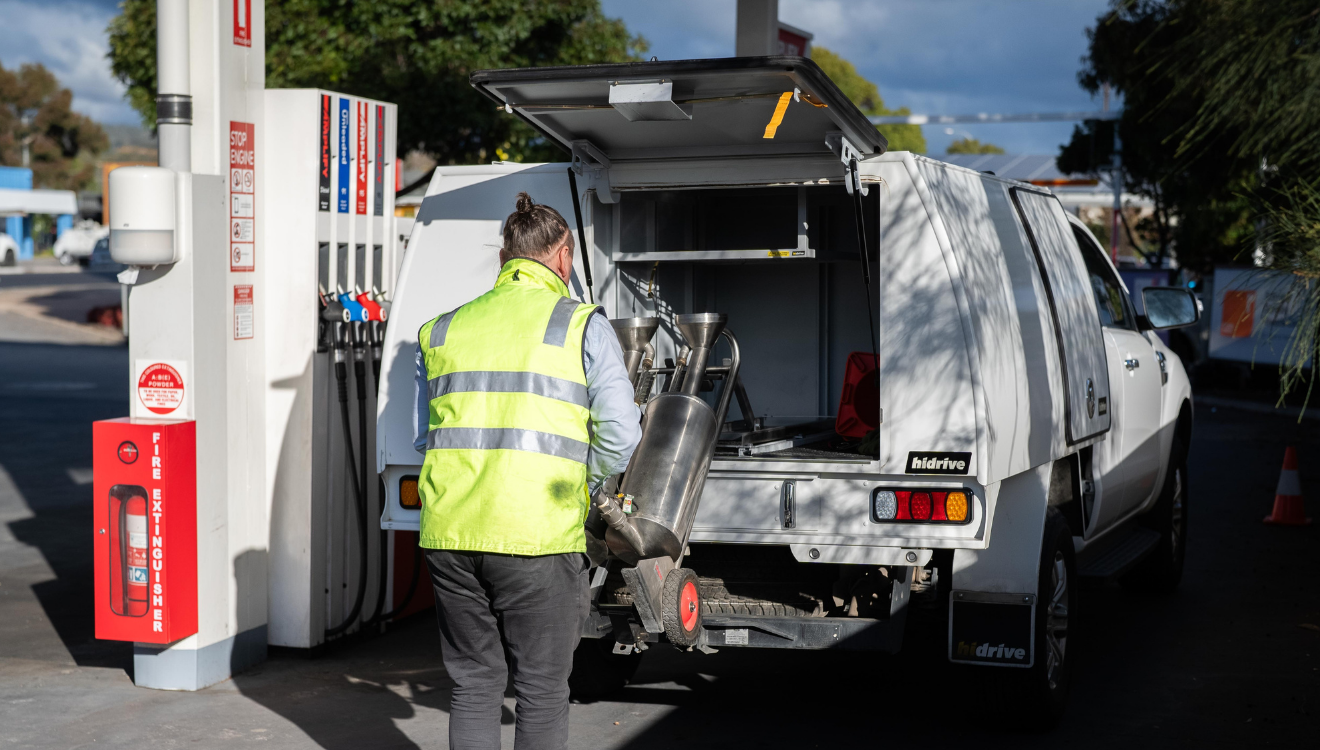
Trade measurement inspectors across Australia conducted targeted audits, tested dispensers for measurement accuracy and investigated consumer complaints.
The program happened to coincide with the fuel market disruption linked to conflict in the Middle East in early 2026. Consumers were increasingly concerned about fuel supply and rising prices. These concerns drew public attention to fuel retailers and measurement accuracy. As the disruption continued, NMI extended the program into April.
Our findings this year
During this program, NMI’s trade measurement inspectors:
- audited 485 business premises, of which 306 (63%) were compliant with measurement law
- tested 3,200 measuring instruments, of which 2,648 (83%) were compliant.
Reasons for non-compliance for measuring instruments included:
- 148 (5%) measuring instruments that were not verified
- 150 (5%) measuring instruments that were inaccurate to consumer disadvantage
- 142 (4%) measuring instruments that were inaccurate to consumer advantage – they were giving away fuel.
Most non-compliance was corrected by traders following advice from trade measurement inspectors. NMI issued 214 non-compliance notices for the following breaches:
- 213 related to measuring instruments
- 1 for failure of trading practice (for example, shortfall offences from trial purchases).
Some traders received more than one non-compliance notice. Some received a non-compliance notice covering more than one breach.
The program provided assurance that fuel dispensers continued to measure accurately during a period of market uncertainty. It demonstrated our ability to adapt operational priorities and deliver a coordinated national regulatory response. The accuracy of fuel dispensers continues to be a focus in 2026–27 as part of the measuring instruments program.
While onsite, inspectors also collected fuel samples to support the Fuel Quality Standard monitoring program.
Comparison to previous years
We audit retail fuel dispensers for accuracy every year as part of our routine trade measurement inspection program. Over the past five years, the proportion of dispensers tested that were found to be inaccurate to the consumer’s disadvantage ranged from 3% to 6% each year.
In the previous concentrated audit of retail fuel in 2019–2020, NMI’s trade measurement inspectors found similar levels of non-compliance:
- 4% of fuel dispensers were inaccurate to consumer disadvantage
- 5% were inaccurate to consumer advantage.
The 2025–26 results were broadly consistent with past audit findings.
Over-the-counter transactions
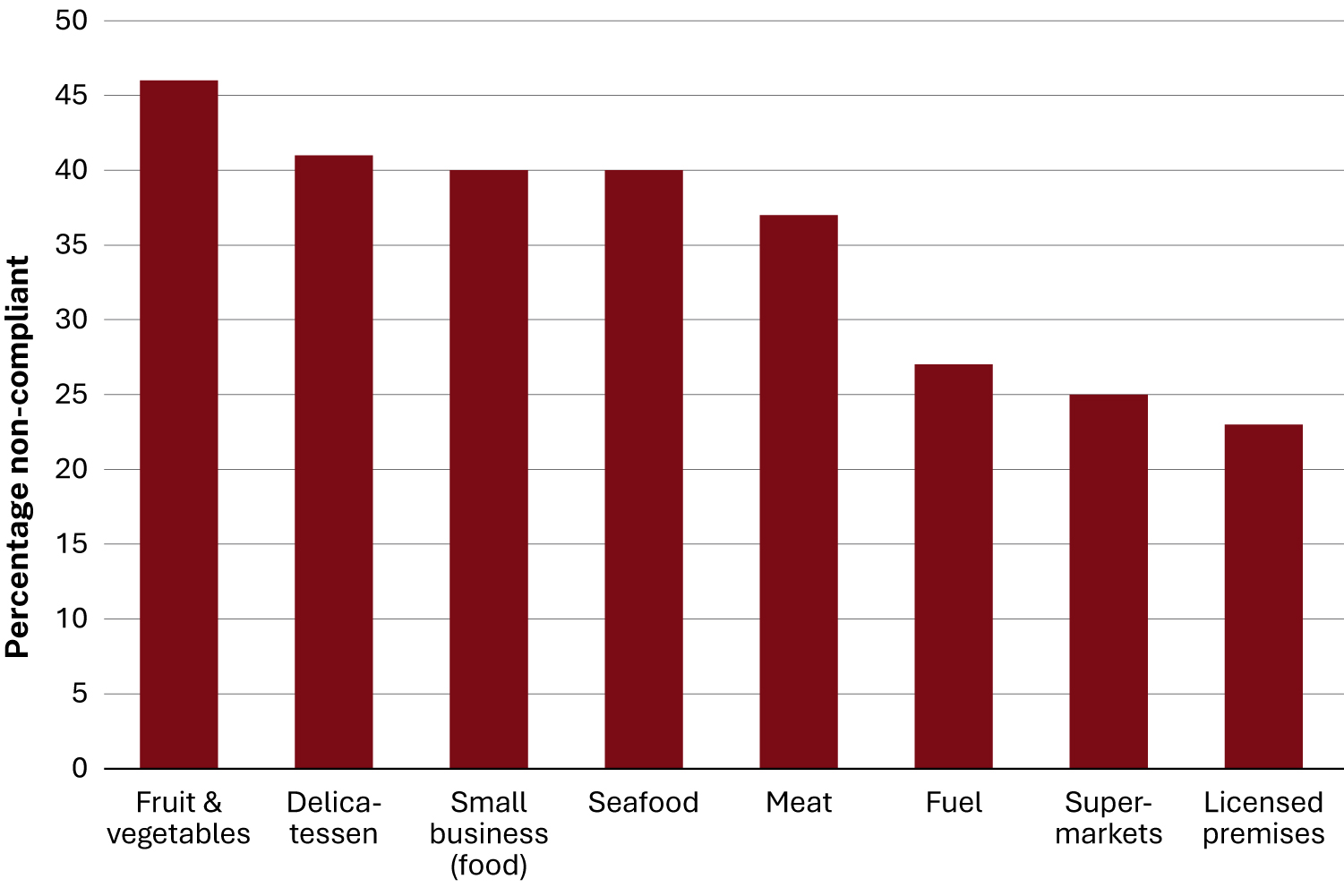
NMI inspectors make over-the-counter transactions throughout the year to check that businesses selling products by weight, measure or count comply with trade measurement law. These audits help ensure customers get what they pay for. They also help ensure that businesses operate on a level playing field.
Over-the-counter transactions have higher rates of non-compliance. They continue to be a focus for compliance activity.
During these visits in 2025–26, inspectors:
- audited 1,162 business premises, of which 689 (59%) were compliant with measurement law
- tested 1,933 measuring instruments, of which 1,581 (82%) were compliant
- checked 18,011 lines of prepackaged goods, of which 15,862 (88%) were compliant
- conducted 799 trial purchases, of which 555 (69%) were compliant.
Reasons for non-compliance included:
- 167 measuring instruments that were not verified
- 148 measuring instruments that were inaccurate to consumer advantage
- 19 measuring instruments that were inaccurate to consumer disadvantage
- 1,233 lines of prepackaged goods with short measure
- 1,076 lines of prepackaged goods with non-compliant labelling
- 244 failed trial purchases.
NMI issued 718 non-compliance notices for the following breaches:
- 189 related to measuring instruments
- 268 related to prepackaged goods
- 261 for failure of trading practice (for example, shortfall offences from trial purchases).
Some traders received more than one non-compliance notice. Some received a non-compliance notice covering more than one breach.
NMI sent 25 warning letters and issued 5 infringement notices with total fines of $13,200.
Auditing over-the-counter transactions is an ongoing priority for NMI, as indicated in our Legal metrology priorities 2026–27.
Prepackaged goods
A prepackaged good is a single item comprising a product and packaging so that it is ready for sale. NMI’s trade measurement inspectors check prepackaged goods throughout the year as part of their routine audit activities. The purpose is to ensure consumers receive the quantity shown on the package and that businesses comply with labelling requirements. Auditing prepackaged goods is an ongoing priority for NMI as indicated in our Legal metrology priorities 2026–27.
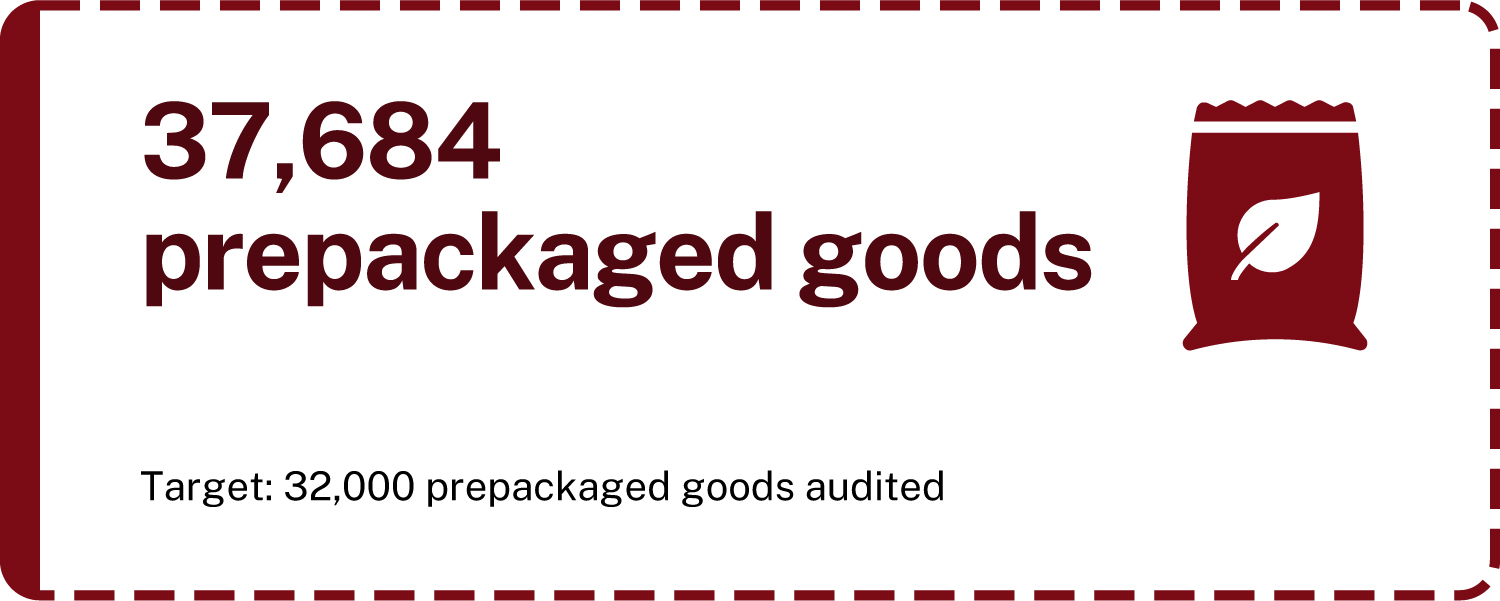
In 2025–26, trade measurement inspectors checked 37,684 lines of prepackaged goods to verify they:
- contain the amount shown on the label (for example, the weight, volume or number of items)
- are correctly labelled (for example, the weight, price per kilogram and total price for the product are in the correct format and position)
- include correct packer identification (name and street address of packer if packed in Australia).
Of the lines of prepackaged goods tested in 2025–26, 1,754 (5%) contained less product than the amount stated on the package. This was higher than in previous years due to a focus on over-the-counter transactions as part of our national compliance program for the year. Most of the discrepancies were relatively small, with a shortfall of less than 5%. For example, if a 1 kg packet of flour had a shortfall of 5%, the customer would receive 950 g (50 g less).
Most discrepancies detected in prepackaged goods are small. Traders usually resolve them quickly following advice from the trade measurement inspector.
Table 1: Inspection outcomes for prepackaged goods, 2021–22 to 2025–26
| Year |
Prepackaged lines inspected |
Individual packages inspected |
Lines with short measure |
Lines with non-compliant labelling |
| 2021–22 |
17,360 |
59,862 |
678 (4%) |
851 (5%) |
| 2022–23 |
29,966 |
107,065 |
1,848 (6%) |
1,844 (6%) |
| 2023–24 |
61,263 |
236,163 |
1,928 (3%) |
2,815 (5%) |
| 2024–25 |
55,615 |
213,773 |
1,485 (3%) |
2,467 (4%) |
| 2025–26 |
37,684 |
139,241 |
1,754 (5%) |
1,666 (4%) |
Among the categories of prepackaged goods, meat and seafood consistently have the greatest proportions of products with short measure. The other categories of products can vary from year to year. The following table lists the categories of prepackaged goods identified with the greatest proportions of incorrect measurement in 2025–26.
Table 2: Prepackaged goods categories with the highest proportions of lines with short measure, 2025–26
| Prepackaged goods category |
Individual packages inspected |
Prepackaged lines inspected |
Lines with short measure |
| Landscape materials |
430 |
71 |
25 (35%) |
| Oil (non-edible) |
76 |
8 |
1 (13%) |
| Personal grooming/hygiene |
346 |
84 |
9 (11%) |
| Meat (processed) |
5,579 |
1,812 |
191 (11%) |
| Seafood (fresh) |
1,328 |
412 |
40 (10%) |
| Meat (fresh – excluding seafood) |
25,923 |
8,313 |
706 (8%) |
| Dairy (cheese) |
6,724 |
2,233 |
175 (8%) |
| Pet supplies |
1,725 |
449 |
28 (6%) |
| Fruit and vegetables (fresh) |
23,083 |
6,331 |
348 (5%) |
| Sauce |
432 |
101 |
5 (5%) |
Complex measuring instruments
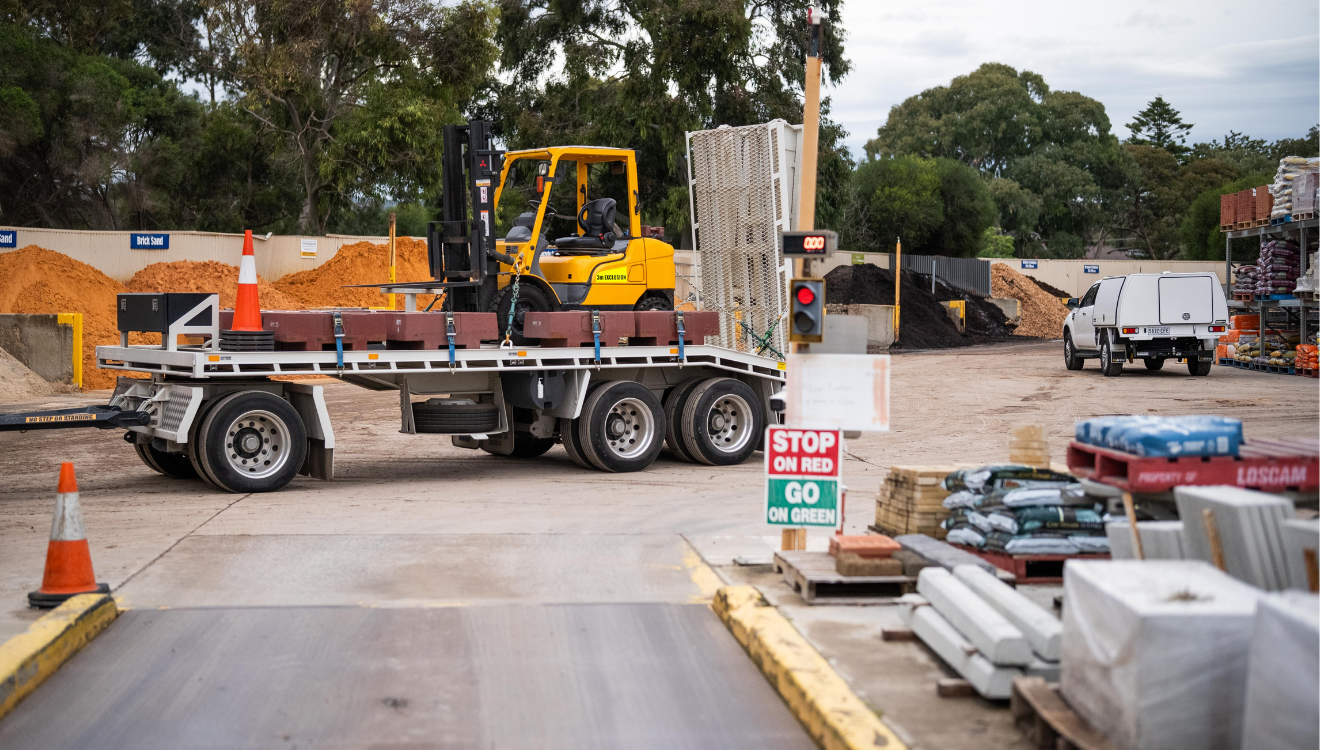
For this year-long program, NMI’s trade measurement inspectors targeted traders who own complex measuring instruments such as weighbridges, truck-mounted flow meters and wheeled loader weighers. These high-capacity measuring instruments are used in various industries to trade high-value, large quantities of commodities such as coal, wheat, fuel and waste. The Complex Measuring Instrument Program continues to be a priority in 2026–27.
In 2025–26, NMI’s trade measurement inspectors audited 382 complex measuring instruments, of which 101 (26%) were found to be non-compliant (a 74% compliance rate). Most non-compliance was due to instruments not being verified rather than measurement accuracy.
Of the 357 instruments that were tested:
- 13 were found to be not verified
- 3 were found to be inaccurate to consumer disadvantage
- 0 were found to be inaccurate to consumer advantage.
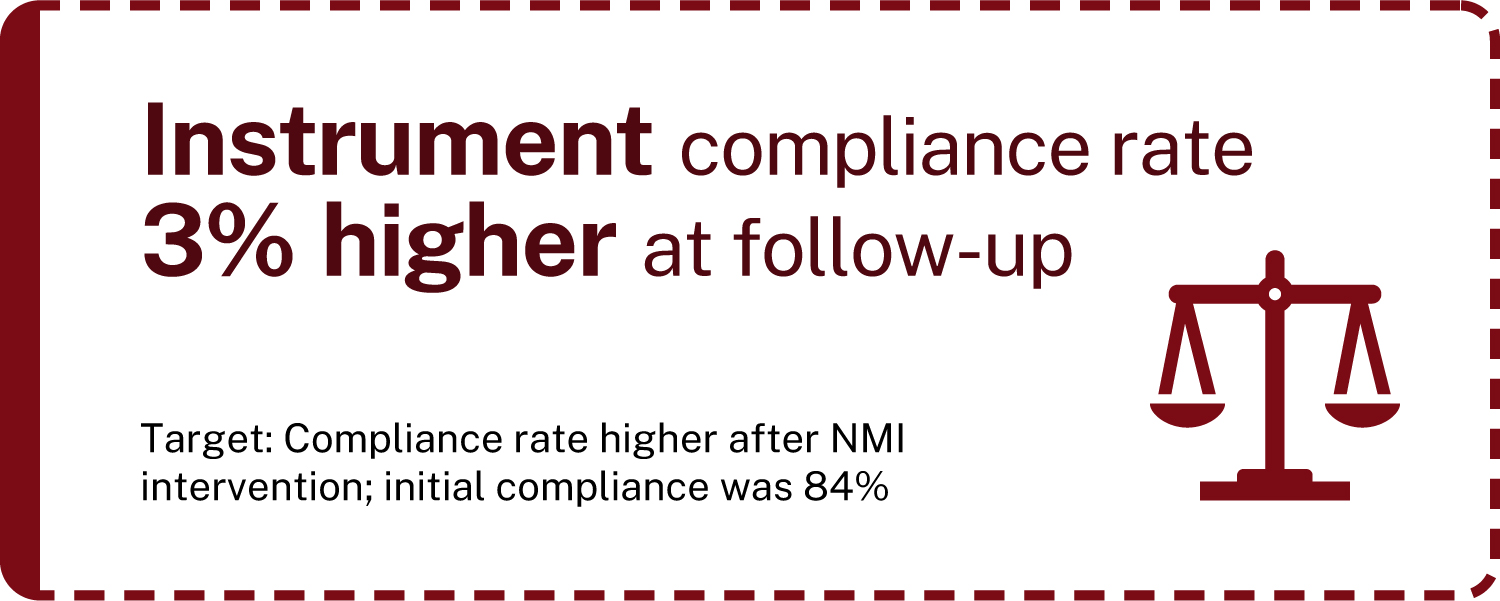
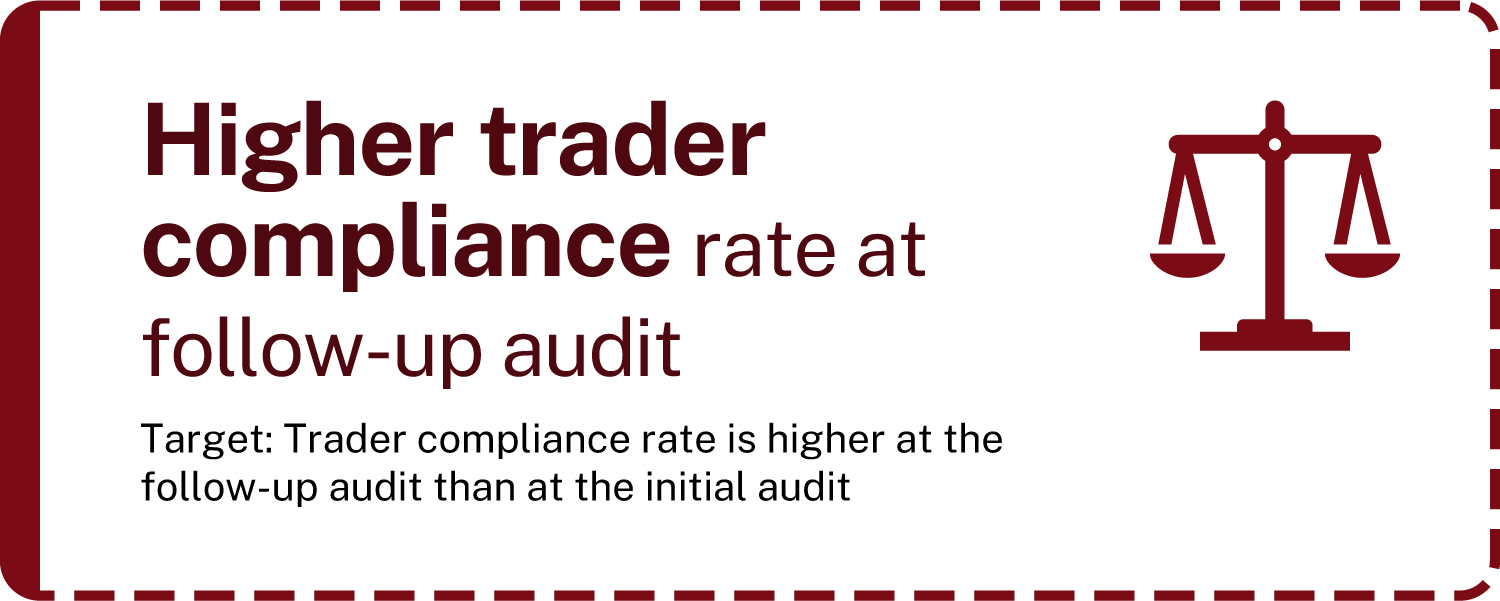
At the follow-up audit, the non-compliance rate was lower at 22% (a 78% compliance rate).
Marketplace intelligence
This year-long program targets areas where we need to improve our understanding of the compliance risk in a sector. It also allows inspectors to investigate emerging issues that fall outside the scope of other programs and to undertake audits that align with their competency-based training and development needs. In 2025–26, trade measurement inspectors audited:
- 18 landscape materials suppliers (100% compliance rate)
- 1 solid fuel (firewood) supplier and 51 lines of prepackaged firewood products as part of other audit activities (98% compliance)
- 524 randomly selected traders (72% compliance)
- 52 other traders in relation to investigations (65% compliance).
Across this program, inspectors:
- audited 595 business premises, of which 432 (73%) were compliant with measurement law
- tested 2,608 measuring instruments, of which 2,195 (84%) were compliant
- checked 10,255 lines of prepackaged goods, of which 9,775 (95%) were compliant
- conducted 104 trial purchases, of which 74 (71%) were compliant.
Reasons for non-compliance included:
- 127 measuring instruments that were not verified
- 127 measuring instruments that were inaccurate to consumer advantage
- 54 measuring instruments that were inaccurate to consumer disadvantage
- 210 lines of prepackaged goods with short measure
- 282 lines of prepackaged goods with non-compliant labelling
- 30 failed trial purchases.
NMI issued 344 non-compliance notices for the following breaches:
- 200 related to measuring instruments
- 88 related to prepackaged goods
- 56 for failure of trading practice (for example, shortfall offences from trial purchases).
Some traders received more than one non-compliance notice. Some received a non-compliance notice covering more than one breach.
NMI issued 6 warning letters and 2 infringement notices for $1,650 and $4,950.
The program identified non-compliance issues across measuring instruments, prepackaged goods and trading practices. The findings from this program will inform future compliance program priorities.