The prizes recognised achievements in research, innovation, science teaching and the practice of Aboriginal and Torres Strait Islander knowledge systems. This year, we celebrated 2 recipients of the Prime Minister’s Prize for Science. We also celebrated highly commended nominees in the knowledge systems and secondary school science teaching categories.
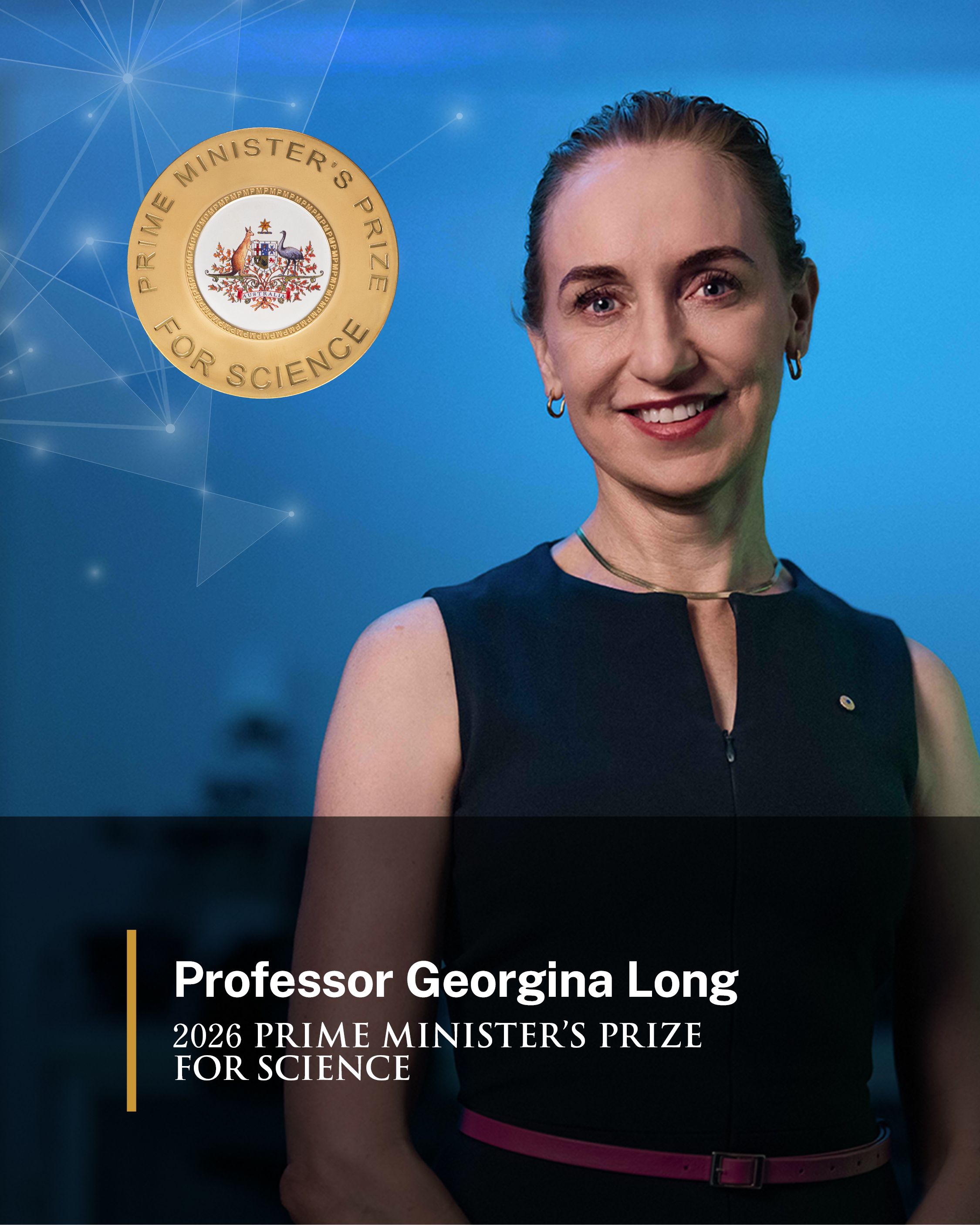
Professor Georgina Long AO
Professor Georgina Long received the 2026 Prime Minister’s Prize for Science.
Prof Long is recognised for pioneering research that led to the first highly effective drug therapies for melanoma. Her discoveries transformed cancer treatment and global guidelines. She also brings together patient care, research and mentorship in a model that continues to shape the field.
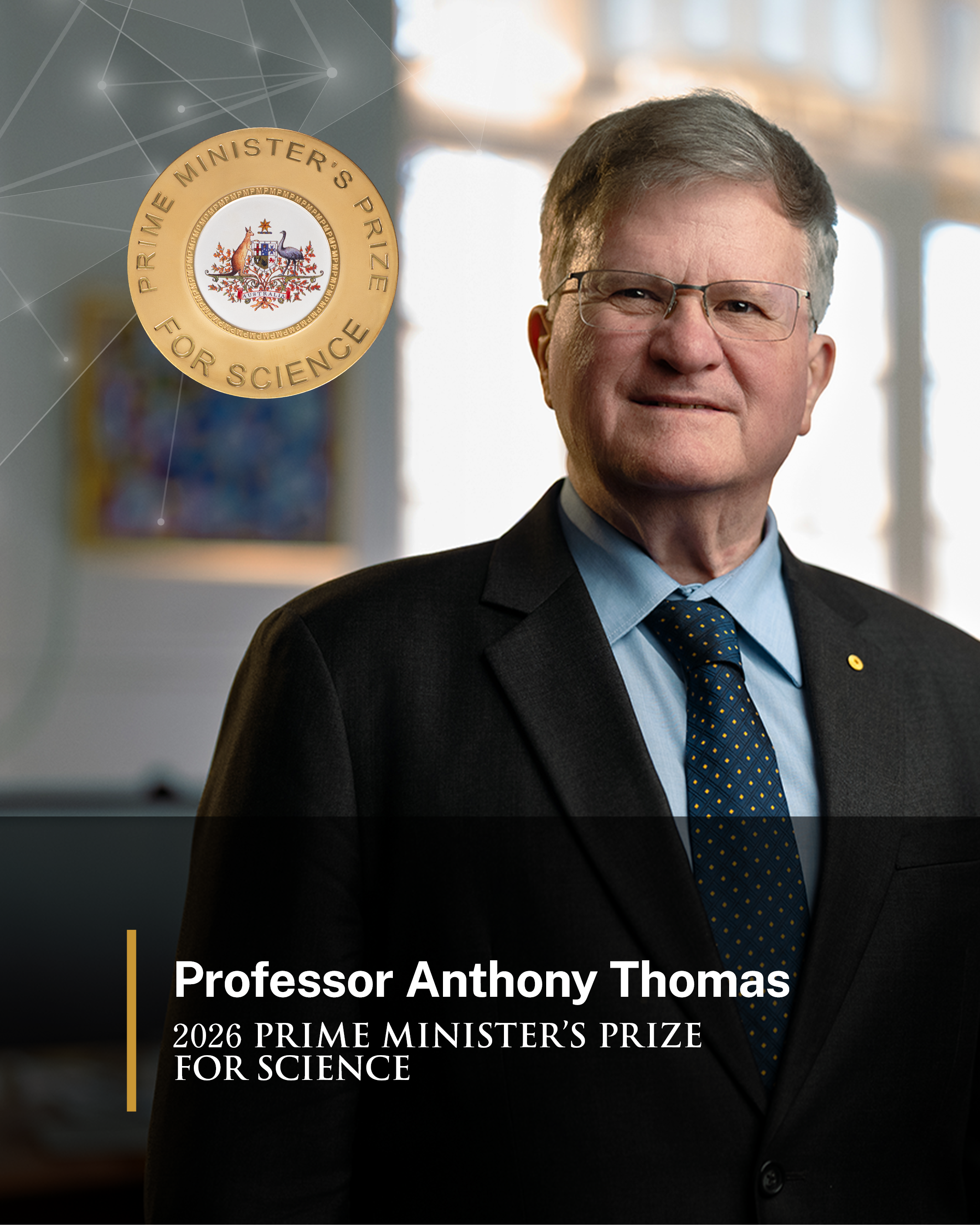
Professor Anthony Thomas
Professor Anthony Thomas received the 2026 Prime Minister’s Prize for Science.
Prof Thomas is recognised for discoveries that have reshaped our understanding of matter, antimatter, dark matter and neutron stars. He is one of the world’s most esteemed subatomic theorists and established Australia as a player in global physics.
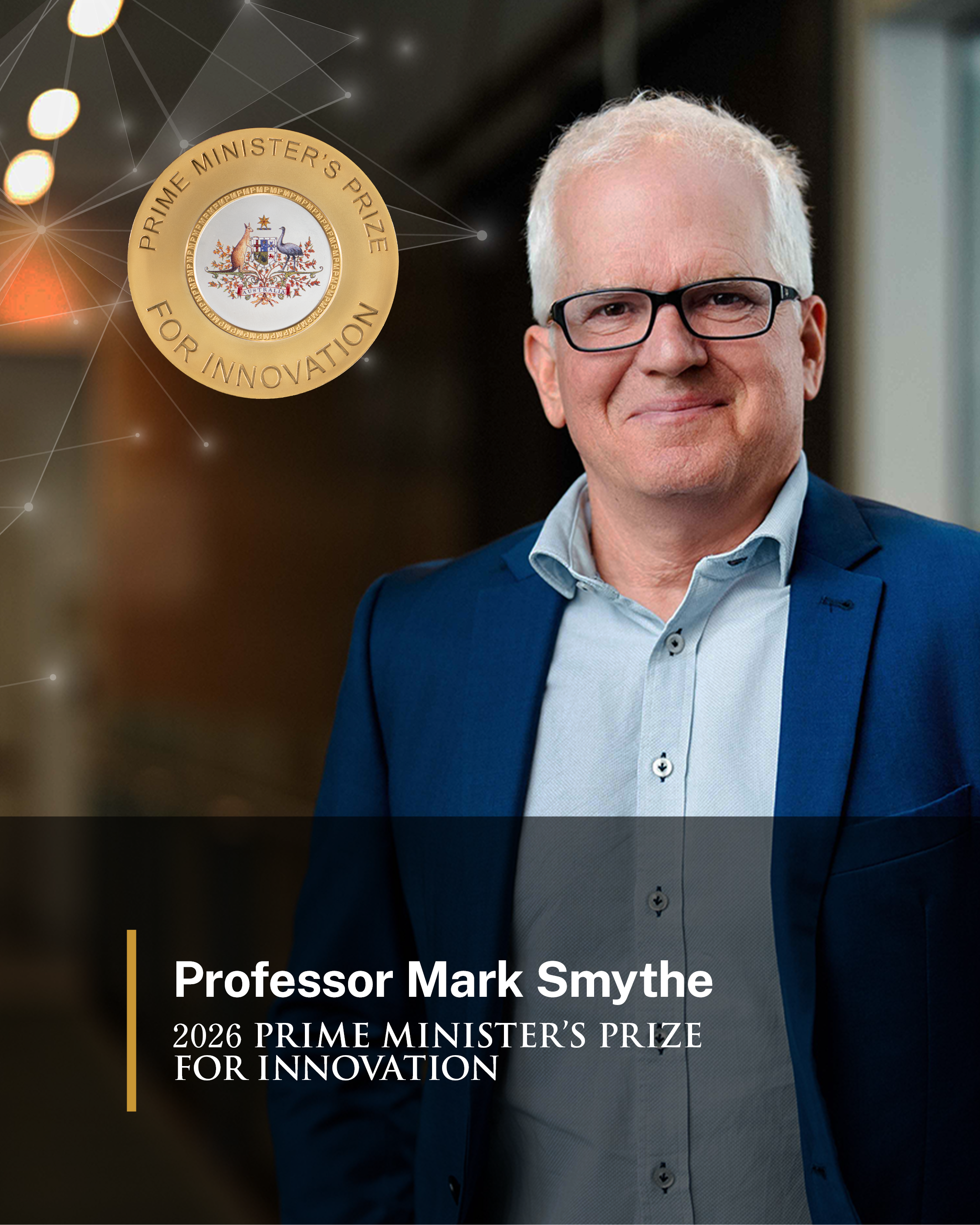
Professor Mark Smythe
Professor Mark Smythe revied the 2026 Prime Minister’s Prize for Innovation.
Prof Smythe is recognised for turning Australian research into globally-approved medicines for psoriasis and blood disorders. He co-founded 6 biotechnology companies and built Australia’s largest university biopharmaceutical spin-out company. That company is now valued at more than AU$8.9 billion.
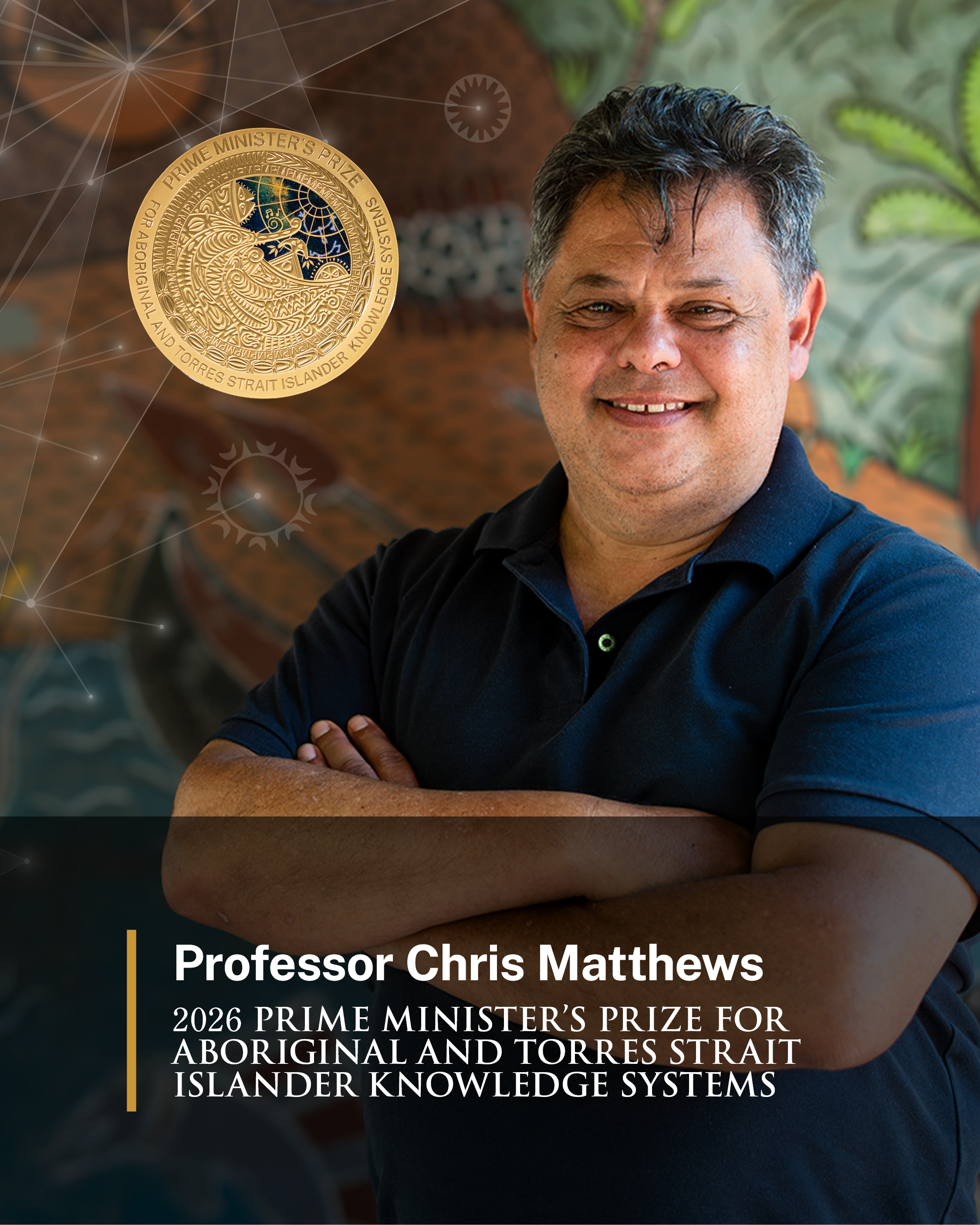
Professor Christopher Matthews
Professor Christopher Matthews received the 2026 Prime Minister’s Prize for Aboriginal and Torres Strait Islander Knowledge Systems.
Prof Matthews, a Quandamooka man, is recognised for advancing understanding of Aboriginal and Torres Strait Islander knowledge systems as rigorous mathematical systems. Through his Goompi Model and in partnership with communities, Elders and knowledge holders, he translates between Indigenous knowledge systems and western mathematics, increasing student engagement, confidence and pride in culture.
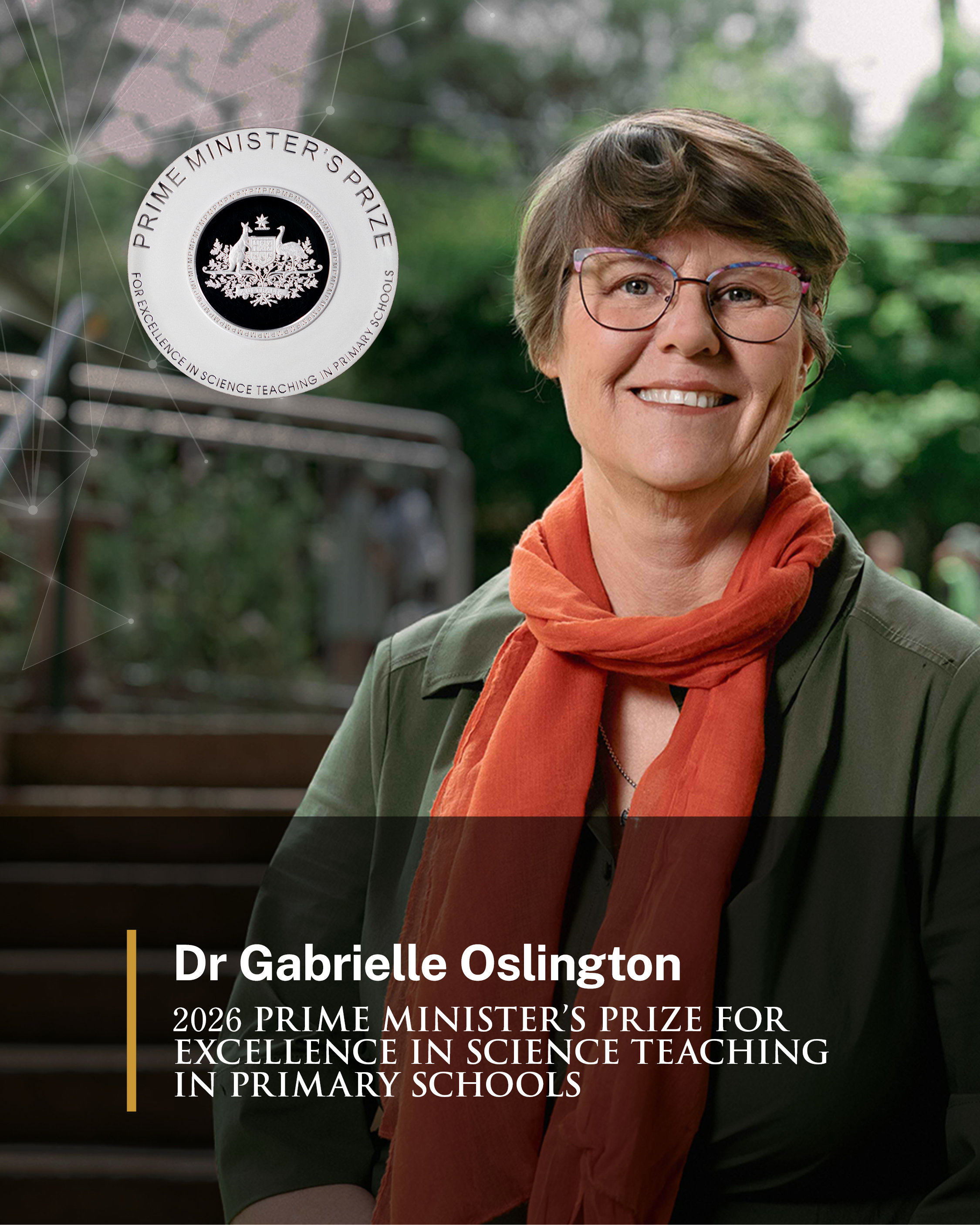
Dr Gabrielle Oslington
Dr Gabrielle Oslington received the 2026 Prime Minister’s Prize for Excellence in Science Teaching in Primary Schools.
Dr Oslington is recognised for showing that serious scientific and data reasoning can begin in primary school. At Arden Anglican School in New South Wales, she uses everyday phenomena to inspire students to explore science, technology, engineering and mathematics.
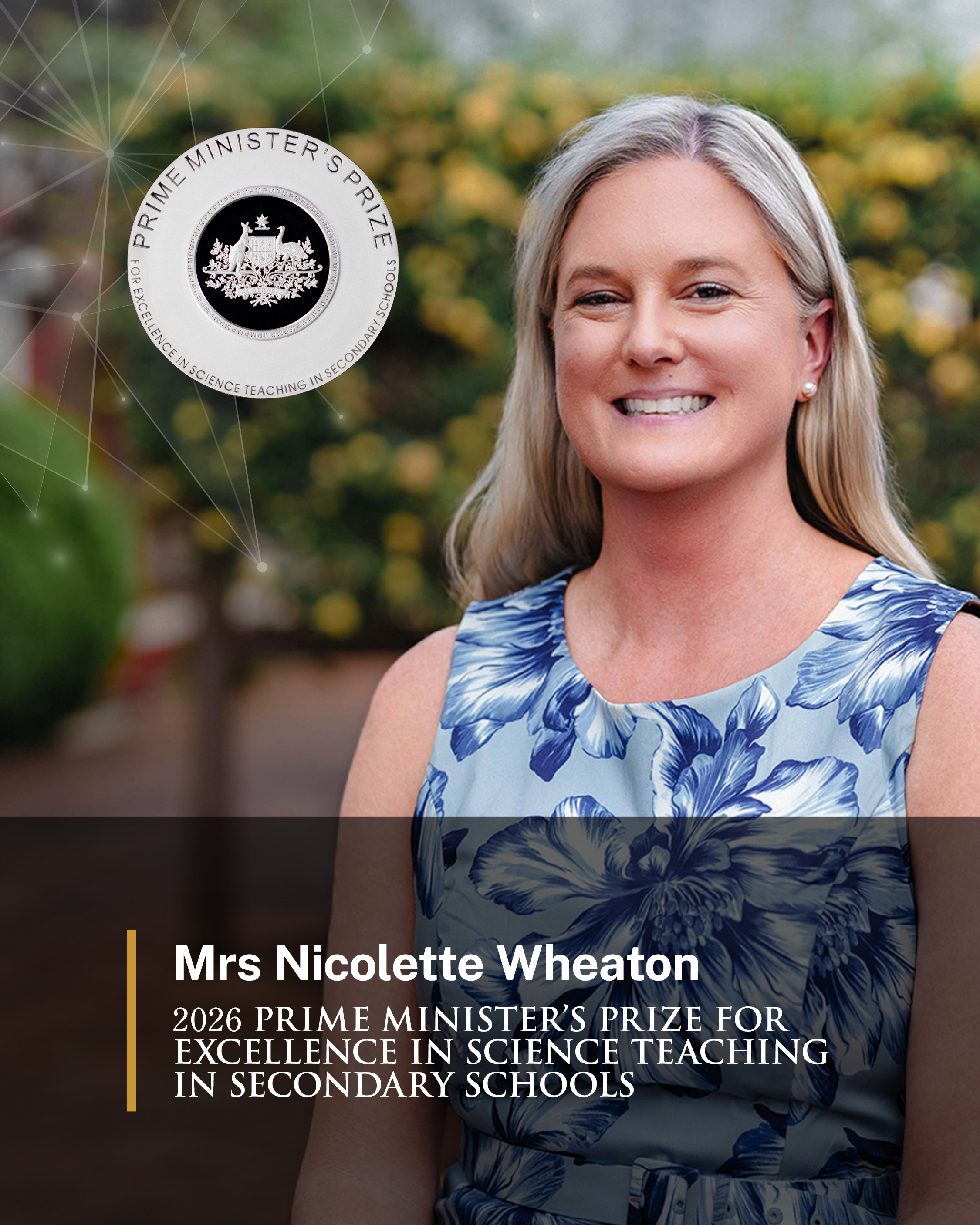
Mrs Nicolette Wheaton
Mrs Nicolette Wheaton received the 2026 Prime Minister’s Prize for Excellence in Science Teaching in Secondary Schools.
Mrs Wheaton is recognised for showing that inclusion and academic rigour go hand-in-hand in STEM. At The Glennie School in Toowoomba, Queensland, she uses authentic, hands-on learning. She empowers girls and regional students to pursue pathways in science and engineering.
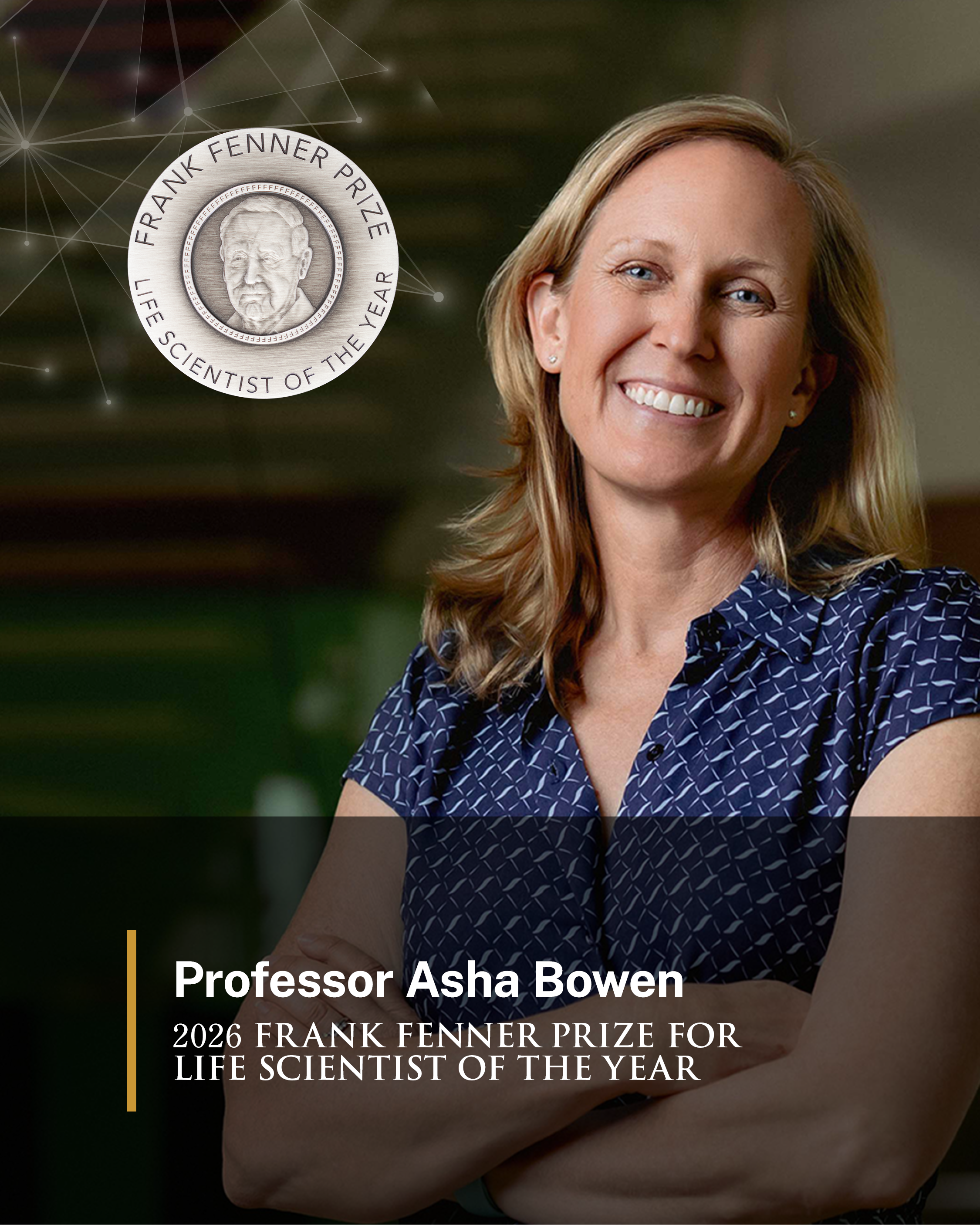
Professor Asha Bowen OAM
Professor Asha Bowen received the 2026 Frank Fenner Prize for Life Scientist of the Year.
Prof Bowen is recognised for her research and partnerships with Aboriginal communities that transformed the prevention and treatment of skin infections in Aboriginal children. Her work has reshaped national guidelines, supported by culturally-grounded health resources co-designed with Elders and Aboriginal health organisations.
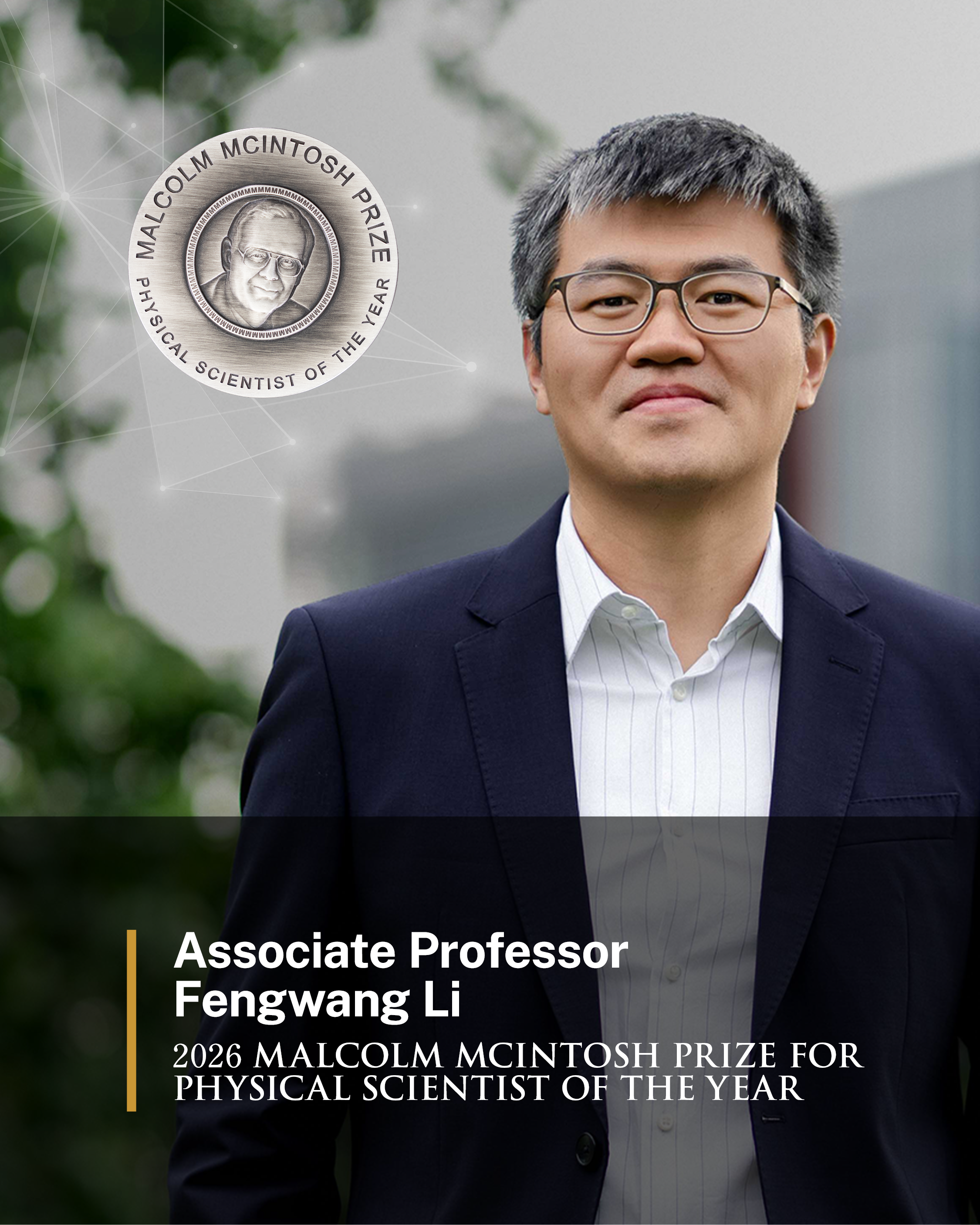
Associate Professor Fengwang Li
Associate Professor Fengwang Li received the 2026 Malcolm McIntosh Prize for Physical Scientist of the Year.
Assoc Prof Li is recognised for pioneering research that converts waste emissions into clean energy and sustainable manufacturing materials. He solved the ‘carbonate paradox’ in carbon dioxide recycling, achieving a world-record carbon efficiency of 77%. He is also advancing ammonia as a clean energy carrier to power heavy industry.
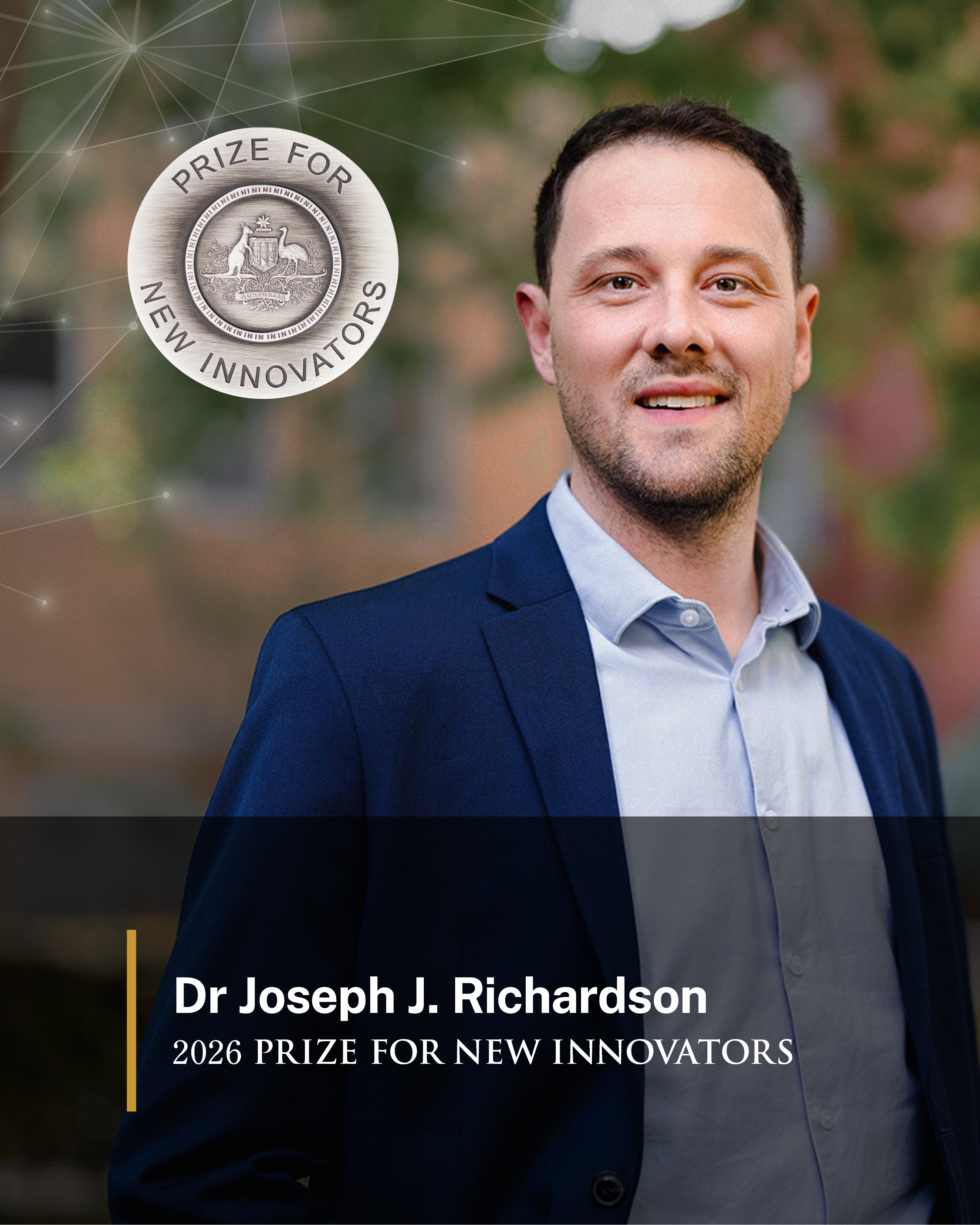
Dr Joseph J Richardson
Dr Joseph J Richardson received the 2026 Prize for New Innovators.
Dr Richardson is recognised for co-inventing and commercialising metal-phenolic network nanocoatings. Through his startup, SWIFF, he created consumer hygiene products used by hundreds of thousands of people worldwide. Through Bionica, he is also pioneering sustainable agricultural coatings that could cut pesticide use by up to 8,000-fold.